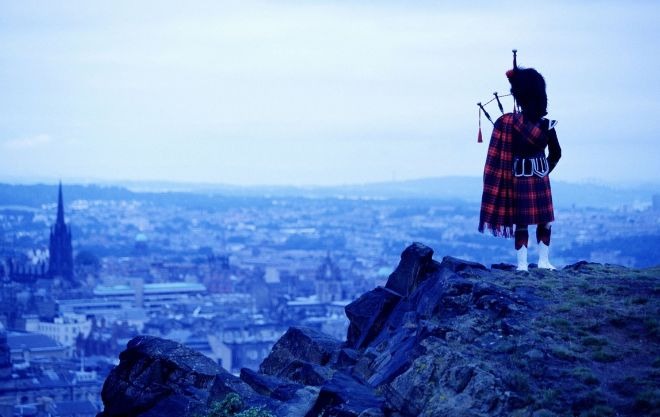
In the rich tapestry of Scottish tradition, the fly plaid stands as a distinctive and timeless symbol of both elegance and heritage. As a garment that has traversed centuries, the fly plaid weaves a story that intertwines fashion, culture, and history, creating a legacy that transcends its humble origins. In this exploration, we will delve into the intricate folds of the fly plaid, unraveling its significance, evolution, and enduring allure.
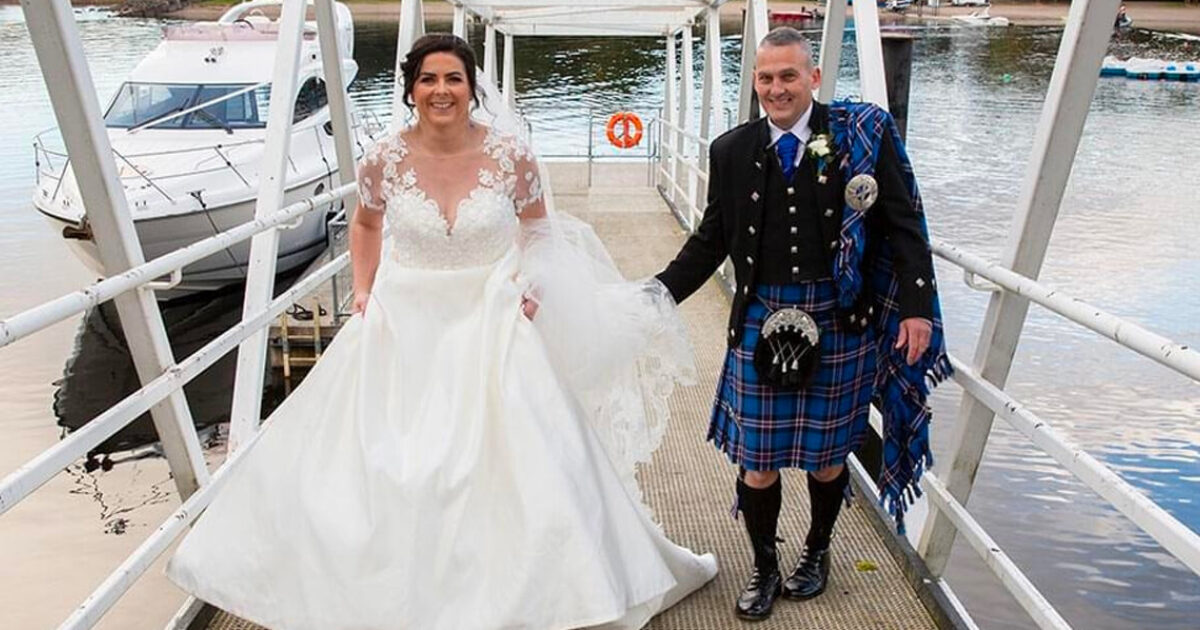
A fly plaid is a distinctive and eye-catching accessory in traditional Scottish attire, adding a touch of elegance and flair to the iconic kilt. Typically made from tartan fabric matching the kilt, the Fly Plaid is a large piece of cloth that drapes over one shoulder and fastens at the opposite hip with a brooch or pin. Its name, “fly,” refers to the way it gracefully hangs and flows with movement. The fly plaid not only serves as a stylish embellishment but also provides practicality, offering warmth and protection in colder weather. Worn during formal events such as weddings, ceilidhs, or Highland gatherings, the fly plaid is a symbol of Scottish heritage and a nod to the rich cultural tapestry of the Highlands.
Origins and Evolution of the Fly Plaid
To truly understand the essence of the fly plaid, one must journey back to its origins. The roots of this garment can be traced to the traditional Scottish dress, where layers of fabric were not merely utilitarian but also statements of identity. The fly plaid, in its early form, was a practical addition to the belted plaid, offering both protection from the elements and a touch of panache.
As time progressed, so did the design and function of the fly plaid. From a purely functional piece, it evolved into a symbol of status and affiliation. Different regions in Scotland developed distinct styles, each carrying its own story and cultural nuances. The evolution of the fly plaid mirrors the evolution of Scottish society itself, capturing the shifts in fashion, economy, and societal norms.
Symbolism Woven in Fabric
Beyond its aesthetic appeal, the fly plaid is a canvas for symbolism and storytelling. The choice of colors, patterns, and even the method of wearing the plaid can convey messages about the wearer’s clan, social standing, or personal milestones. It is a piece of clothing that goes beyond the superficial, inviting those who don it to be carriers of a living tradition.
In examining the symbolism, one cannot ignore the role of the tartan. The intricate patterns and vibrant colors of the tartan are not arbitrary; they are a language in themselves. Decoding this language opens a window into the history of Scottish clans, battles fought, and alliances formed. The fly plaid, with its draped elegance, becomes a living tapestry that tells the story of a proud and resilient people.
From Tradition to Contemporary Fashion
While deeply rooted in tradition, the fly plaid has not been immune to the winds of change blowing through the world of fashion. Today, it is not confined to ceremonial occasions or Highland games. The fly plaid has found its way into contemporary fashion, seamlessly blending tradition with modern style.
Designers and fashion enthusiasts alike have embraced the versatility of the fly plaid, reimagining it in various fabrics, lengths, and styles. Its appeal extends beyond the borders of Scotland, finding a place in global fashion trends. As we explore the modern adaptations of the fly plaid, we witness its ability to transcend time and cultural boundaries, proving that heritage can be both preserved and reinvented.
Craftsmanship and Artistry
At the heart of the fly plaid’s enduring charm lies the craftsmanship and artistry involved in its creation. From the spinning of the yarn to the meticulous weaving of the fabric, each step in the process is a testament to the skill and dedication of those who uphold the tradition. The fly plaid is not merely a garment; it is a work of art that reflects the craftsmanship passed down through generations.
In this section, we will explore the intricate techniques involved in the creation of a fly plaid, from choosing the right materials to the delicate process of weaving. Interviews with skilled artisans and weavers will shed light on the meticulous work that goes into crafting a piece that is not just worn but cherished as a symbol of heritage.
The Global Impact of the Fly Plaid
In the age of globalization, cultural symbols often transcend their geographic origins, reaching far corners of the world. The fly plaid is no exception. From Hollywood red carpets to international runways, its influence is felt across continents. In this section, we will examine the global impact of the fly plaid, exploring its presence in popular culture, its adoption by celebrities, and its role in shaping perceptions of Scottish heritage.
Through interviews with designers, historians, and cultural experts, we will uncover the ways in which the fly plaid has become a cultural ambassador, representing not only the traditions of Scotland but also the broader significance of preserving and celebrating cultural identity in a rapidly changing world.
Where To Find The Fly Plaid
Highland kilt company is proud to offer the finest selection of Fly Plaids for those looking to complete their traditional Scottish attire with elegance and authenticity. Our Fly Plaids are crafted with meticulous attention to detail and are available in a range of exquisite tartans, each bearing a piece of Scotland’s rich heritage. Whether you’re attending a formal event, a wedding, or simply seeking to infuse a touch of Scottish charm into your outfit, our Fly Plaids are designed to drape gracefully over your shoulder, adding an air of sophistication and tradition to your attire. With the highland kilt company seal of quality, you can trust that our Fly Plaids will be a perfect and distinguished addition to your kilt ensemble, making a statement that resonates with the timeless allure of Scottish culture.
Preserving the Legacy: Challenges and Opportunities
As with any cultural artifact, the fly plaid faces challenges in the modern era. The balance between tradition and innovation, the sustainability of traditional weaving practices, and the need for cultural preservation in the face of globalization are issues that demand attention. In this section, we will explore the challenges and opportunities in preserving the legacy of the fly plaid.
Interviews with cultural preservationists, historians, and advocates for sustainable fashion will provide insights into the efforts being made to ensure that the fly plaid continues to be a living symbol of Scottish heritage for generations to come. From initiatives to support traditional craftsmanship to campaigns promoting awareness and education, we will uncover the multifaceted approaches to safeguarding the legacy of the fly plaid.
Conclusion
In conclusion, the fly plaid emerges not just as a piece of fabric draped over the shoulders but as a living tapestry that weaves together threads of tradition, symbolism, craftsmanship, and global influence. Its journey from practical garment to cultural icon mirrors the resilience and adaptability of the Scottish people and their rich heritage.
As we unravel the layers of the fly plaid, we find not only a garment but a story—a story that continues to evolve and unfold with each passing generation. The fly plaid stands as a testament to the enduring power of cultural symbols, inviting us to appreciate the threads that connect us to our past and inspire us to weave a tapestry for the future.
 Scotland Kilt's blog